Hip Hop Dance Classes

Kathak Hasta Mudra: The Complete Guide to Hand Gestures in Kathak Dance

Introduction

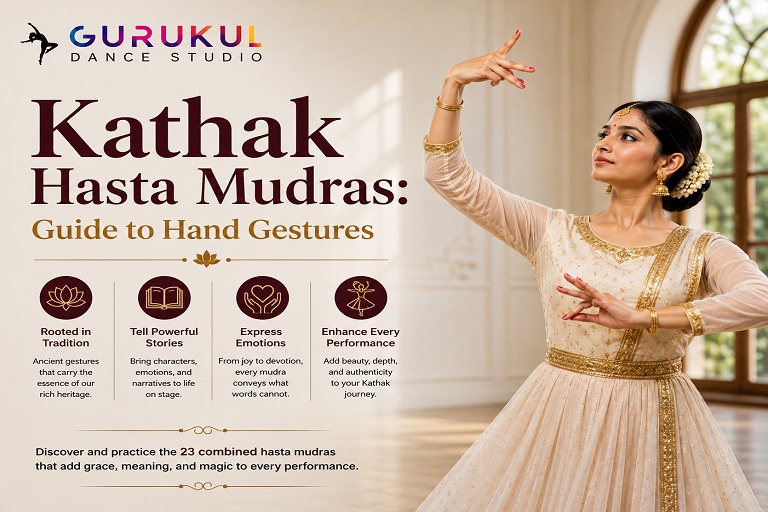
A Kathak hasta mudra is a hand gesture used by dancers to communicate emotion, character, and story without speaking a single word. In Kathak — one of the eight classical dance forms of India — every hasta mudra carries centuries of codified meaning, drawn from ancient dance treatises like the Natyashastra and the Abhinaya Darpan. At Gurukul Dance Studio, we teach these gestures as the very alphabet of dance: just as letters form words, mudras form the visual language a Kathak dancer uses to tell a story.

This guide breaks down every category of hasta mudra — Asamyukta (single-hand), Samyukta (double-hand), and Nritta (technical dance) hastas — with their meanings, traditional shlokas, and how they’re used on stage.

What Is a Hasta Mudra?

The word mudra comes from the Sanskrit root mud, meaning “joy” or “delight,” combined with the suffix ra, meaning “to give.” In classical dance texts, a hasta mudra is defined as a hand formation so precise and expressive that it pleases both the performer and the observer — traditionally described as gestures that please the gods when offered in devotion.
In Kathak, hasta mudras are also called Hasta-abhinaya (hasta + abhinaya, meaning “hand expression”). They are not decorative — each mudra is a building block of abhinaya, the art of expressive storytelling that separates classical dance from ordinary movement.
 

The Origin of Hasta Mudras in Classical Texts

Two ancient texts form the foundation of every hand gesture taught today:

  • Natyashastra, attributed to Bharata Muni, recognizes 64 total hand gestures — 24 Asamyukta (single-hand), 13 Samyukta (double-hand), and 27 Nritta hasta (technical dance gestures).
  • Abhinaya Darpan, written by Acharya Nandikeshwar, recognizes 55 total gestures — 32 Asamyukta and 23 Samyukta hasta — without separately classifying Nritta hasta.

Kathak, like other Indian classical dance forms, draws primarily on the Abhinaya Darpan’s classification, which is why most Kathak institutions — including Gurukul Dance Studio — teach the 32 Asamyukta and 23 Samyukta hastas as the core vocabulary.

Asamyukta Hasta Mudra (Single-Hand Gestures)

In the world of Kathak hasta mudra, Asamyukta hasta mudra refers to any gesture formed using a single hand. These are typically the first mudras taught to beginners because they form the base from which many Samyukta (double-hand) gestures are constructed.

The traditional shloka that lists all 32 Asamyukta hastas begins:

Pataka Tripataka cha Ardhapataka Kartarimukham Mayurakhyo Ardhachandrashcha Arala Shukatundakaha

Below is a reference table for quick recall — a format many learners find easier to memorize than prose descriptions.

pataka mudra

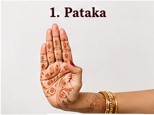
Pataka

All fingers straight and joined, thumb bent

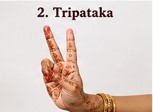
Tripataka

Tripataka

Pataka with ring finger bent

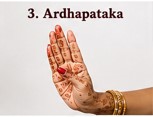
Ardhpataka

Ardhapataka

Tripataka with little finger also bent

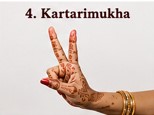
kartarimukha

Kartarimukha

Ardhapataka with index and little finger spread

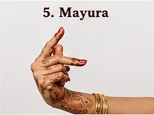
Mayura

Mayura

Ring finger and thumb joined, little finger raised

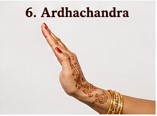
Ardhachandra

Pataka with thumb stretched outward

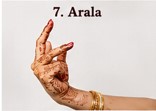
Arala

Arala

Pataka with index finger bent

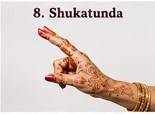
shukatunda

Shukatunda

Arala with ring finger bent

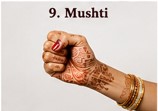
mushti mudra

Mushti

All fingers folded into a fist, thumb on top

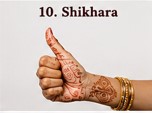
shikara mudra

Shikhara

Mushti with thumb raised

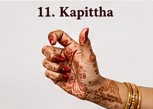
kapittha mudra

Kapittha

Shikhara with index finger bent onto thumb

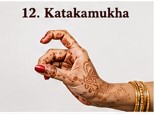
katakamukha Mudra

Katakamukha

Kapittha with middle finger added

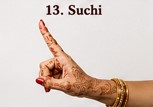
Suchi

Katakamukha with index finger raised

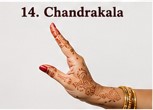
chandrakala Mudra

Chandrakala

Suchi with thumb stretched out

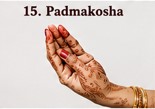
padmakosha mudra

Padmakosha

Fingers spread and slightly curved inward

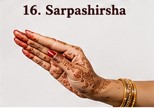
Sarpashirsha Mudra

Sarpashirsha

Pataka with fingers slightly bent

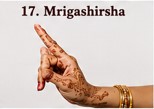
mrigashirsha mudra

Mrigashirsha

Sarpashirsha with little finger and thumb raised

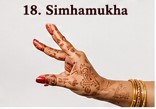
Simhamukha mudra

Simhamukha

Middle and ring finger joined with thumb

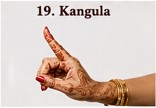
kangula mudra

Kangula

Padmakosha with ring finger bent inward

alapadma mudra

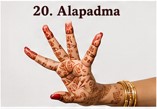
Alapadma

All fingers spread and slightly bent

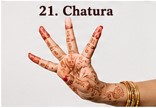
Chatura

Little finger stretched, thumb touches ring finger

bhamara mudra

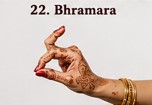
Bhramara

Index finger folded, middle finger and thumb touching

Hamsasya mudra

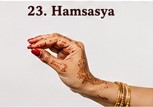
Hamsasya

Arala with index finger on thumb

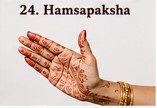
hamsapaksha mudra

Hamsapaksha

Sarpashirsha with little finger stretched straight

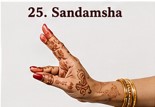
Sandamsha mudra

Sandamsha

Padmakosha fingers opened and shut repeatedly

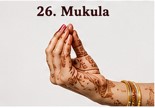
mukula mudra

Mukula

All fingertips joined together

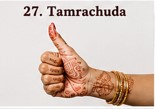
Tamrachuda mudra

Tamrachuda

Mukula with index finger raised and crooked

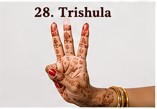
Trishula mudra

Trishula

Little finger and thumb joined, three fingers spread

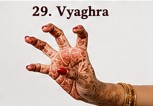
vyaghra mudra

Vyaghra

Mrigashirsha with little finger and thumb bent

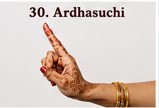
ardhasuchi mudra

Ardhasuchi

Kapittha with index finger raised

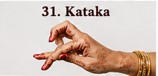
kataka mudra

Kataka

Sandamsha with middle and ring finger extended

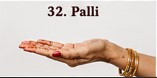
palli mudra

Palli

Mayura with index finger tucked behind middle finger

Each mudra above is taught hands-on in our beginner Kathak batches at Gurukul Dance Studio, where instructors correct finger alignment in real time — something a written guide alone cannot replace.

Samyukta Hasta Mudra (Double-Hand Gestures)

As the double-hand counterpart to the Kathak hasta mudra system, Samyukta hasta mudra refers to gestures that require both hands working together, often combining two Asamyukta hastas into a new symbolic form. These gestures are typically introduced once a student has developed control over single-hand positions, since precision in both hands simultaneously demands more muscle memory.

The classical shloka opens with:

Anjalischa Kapothashcha Karkata Swastikastathaa Doläknstha Pushpaputaha Utsangaha Shivalingakaha

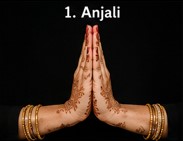
Anjali Mudra

Anjali

Two Pataka hastas joined palm-to-palm

palli mudra

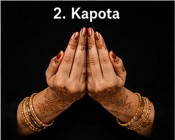
Kapota

Anjali with fingers slightly bent

palli mudra

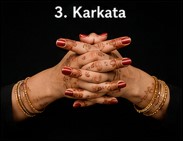
Karkata

Fingers interlocked

palli mudra

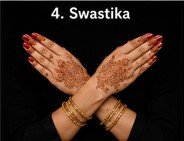
Swastika

Two Pataka hastas crossed at the wrist

palli mudra

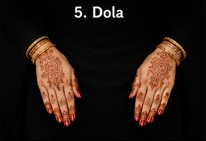
Dola

Pataka hastas resting on the hips

palli mudra

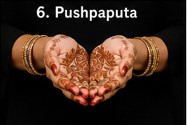
Pushpaputa

Two Sarpashirsha hastas joined at the little finger

palli mudra

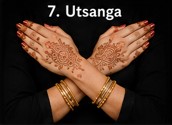
Utsanga

Mrigashirsha hastas crossed over opposite shoulders

palli mudra

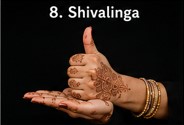
Shivalinga

Shikhara resting on Ardhachandra

palli mudra

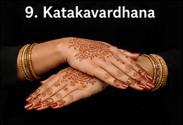
Katakavardhana

Two Katakamukha hastas overlapped at the wrist

palli mudra

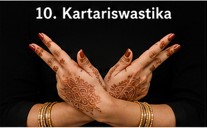
Kartariswastika

Two Kartarimukha hastas crossed

palli mudra

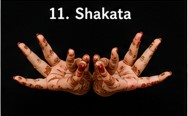
Shakata

Bhramara hastas with fingers separated

palli mudra

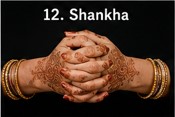
Shankha

Thumb and fingers interlocked to form a shell shape

palli mudra

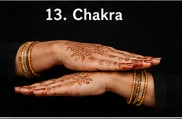
Chakra

Two Ardhachandra hastas placed one over the other

palli mudra

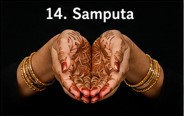
Samputa

Chakra with fingers folded to enclose the palms

palli mudra

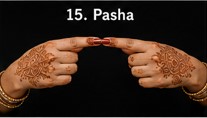
Pasha

Two Suchi hastas are linked at the index finger

palli mudra

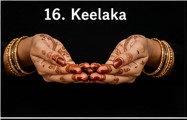
Keelaka

Mrigashirsha hastas joined at the little finger

palli mudra

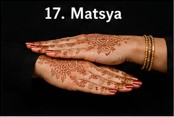
Matsya

One palm resting on the back of the other

palli mudra

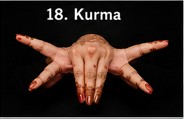
Kurma

Samputa with index and little finger spread

palli mudra

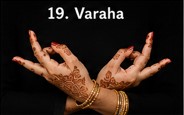
Varaha

Mrigashirsha hastas with thumb and little finger spread

palli mudra

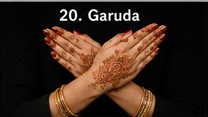
Garuda

Ardhachandra hastas crossed with thumbs overlapping

palli mudra

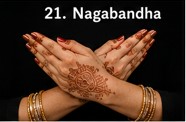
Nagabandha

Two Sarpashirsha hastas crossed

palli mudra

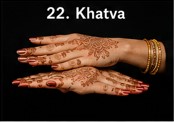
Khatva

Two Chatura hastas stacked with fingers separated

palli mudra

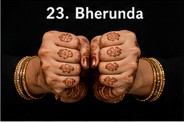
Bherunda

Two Kapittha hastas joined at the wrist

Frequently Asked Questions

Of course. We teach beginners the basics of Hip Hop. From there, you progress into the choreography.

The time it takes to learn varies based on factors such as how frequently you practice, your natural coordination, class attendance, and if you have done any similar dance styles prior.

It is possible, provided the children’s classes are age-appropriate. In those classes, children learn about rhythm, movement coordination, and performance skills.

Absolutely. People of all ages can learn regardless of whether they have dance experience or not. In fact, adults of all skill levels use our beginner classes to develop their dance skills.

Wear comfy clothes, bring a drink of water, and dance shoes. Typically, coming a few minutes early helps relax any nerves.

Let's Connect!
1
Need Help?
Hello there!
How can we assist you today?