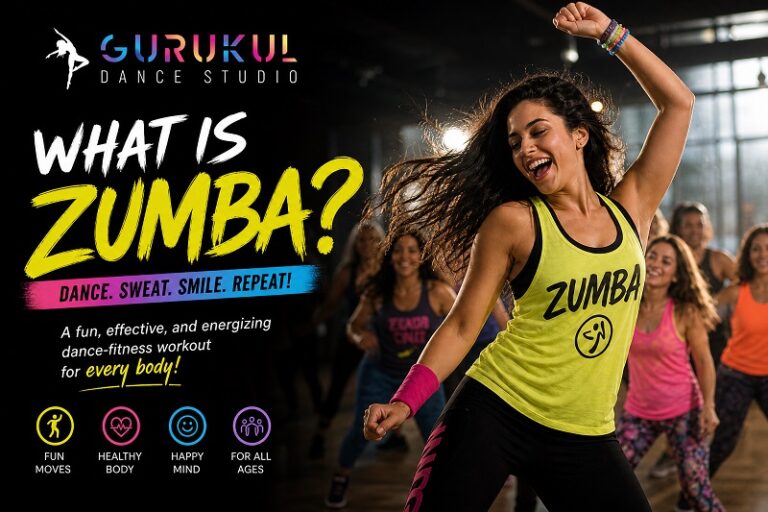
What Is Zumba? A Complete Guide to Its Benefits and Why People Love It
What Is Zumba?
If you have ever passed by a fitness center and found that Latin music was being played in the background along with people dancing to the beats in unison, then chances are high that you were watching a Zumba workout session. So, what is Zumba? In simple terms, it is a cardio workout based on dance steps with fast and slow rhythms which revolve around Latin music including salsa, merengue, reggaeton, and cumbia among others.
It was created in the 1990s by Colombian dancer and choreographer Alberto “Beto” Perez, almost by accident. The story goes that he forgot his usual workout music for an aerobics class he was teaching and had to improvise with cassette tapes of salsa and merengue music he had in his car. The class loved it, and what started as a last-minute fix eventually turned into one of the most popular group fitness formats in the world.
Unlike traditional aerobics, Zumba doesn’t rely on strict counts or rigid choreography that you have to memorize ahead of time. Instructors lead from the front, and you follow along in real time, picking up the moves as the song plays. That’s part of why it feels less like exercise and more like a dance party you happen to be sweating through.
How a Zumba Class Actually Works
A typical class runs somewhere between 45 minutes and an hour and usually follows this rough structure:
- Warm-up — a few minutes of lighter movement to get your heart rate up gradually
- High and low intensity intervals — the class alternates between fast, high-energy songs and slower, muscle-toning tracks, which keeps your body working without burning out too early
- Cool-down — stretching at the end to bring your heart rate back down safely
Because the format mixes intensity levels throughout, it ends up being a surprisingly balanced workout. You’re not sprinting the entire time, but you’re also not coasting.
The Real Benefits of Zumba
This is usually where people get more interested, so let’s get into the actual benefits of Zumba and why it’s stuck around for over two decades when most fitness trends fade out in a year or two.
It’s a Genuine Cardiovascular Workout
Zumba isn’t just “dancing for fun,” even though it feels that way. A one-hour class can burn a meaningful number of calories, often comparable to kickboxing or step aerobics, depending on intensity and how much you push yourself. Over time, regular Zumba sessions can help improve heart health, including better blood pressure and cholesterol management.
It Doesn’t Feel Like a Workout
This is arguably the biggest reason people stick with Zumba longer than other fitness routines. A lot of workouts fail simply because people get bored or dread doing them. Zumba sidesteps that problem by making the “boring” part of exercise (the repetition, the sweating, the effort) feel secondary to the music and movement.
It’s Beginner-Friendly
You don’t need any dance background to join a class. Steps are demonstrated live, and the instructor typically breaks down more complex sections before speeding things up. Most people find that within a few classes, they’re picking up rhythms and sequences naturally, without ever having taken a formal dance lesson.
It Builds Coordination and Rhythm Over Time
Even if you’ve never considered yourself “a dancer,” regular Zumba attendance tends to improve coordination, balance, and rhythm gradually. This happens almost as a side effect of the format rather than something you have to consciously work on.
It’s a Legitimate Stress Reliever
Combining music, movement, and a group setting has a documented effect on mood and stress levels. Group fitness classes in general tend to have a social benefit that solo workouts don’t, and Zumba leans heavily into that by design, since it’s meant to be experienced with other people in the room, not alone with headphones on a treadmill.
It’s Low-Equipment and Low-Barrier
You don’t need weights, resistance bands, a mat, or any special gear. All you really need is a pair of comfortable, non-marking indoor shoes and enough space to move. That makes it one of the more accessible fitness formats out there, both in terms of cost and logistics.
It Can Be Adapted to Different Fitness Levels
Because instructors control pacing and intensity, the same basic format can work for someone brand new to fitness and someone who’s been active for years. Many people modify their own movement within a class, taking things slower or pushing harder depending on how they’re feeling that day.
Who Is Zumba Good For?
Given everything above, Zumba tends to appeal to a wide range of people, including:
- Beginners who find traditional gym workouts intimidating or repetitive
- Busy professionals looking for a stress-relieving break from desk work
- Anyone who enjoys music and movement but doesn’t want formal dance training
- People restarting a fitness routine after a break, who want something more engaging than a treadmill
Is Zumba Actually Effective for Weight Loss?
This comes up a lot, so it’s worth addressing directly. Zumba can be an effective part of a weight-loss routine, mainly because it’s a genuine calorie-burning cardio workout that people are more likely to actually stick with consistently. Consistency tends to matter more for long-term results than the specific workout you choose, and Zumba’s biggest advantage is that people don’t dread showing up to it. That said, it works best combined with a reasonably balanced diet, not as a standalone fix.
What to Expect at Your First Zumba Class
If you’re planning to try a class for the first time, here’s what tends to catch people off guard (in a good way):
- You don’t need to know the steps in advance. Nobody expects perfection on day one.
- It’s genuinely more tiring than it looks from the outside. Even a “beginner” class can leave you sweating.
- The energy of the room matters. A lot of the appeal comes from the group atmosphere, not just the workout itself.
- Modifications are normal. Most instructors expect people to adjust intensity based on their own fitness level.
Final Thoughts
So, to circle back to the original question: what is Zumba? It’s a dance-based cardio workout built around Latin rhythms, designed to be accessible, social, and genuinely enjoyable, not just another item on a fitness checklist. And when it comes to the benefits of Zumba, the list goes well beyond calorie burning. Better cardiovascular health, improved coordination, stress relief, and a workout routine people actually look forward to are all part of the package.
If you’ve been curious about trying it yourself, the easiest way to understand the appeal is to just experience a class firsthand rather than read about it. At Gurukul Dance Studio, our Zumba Classes in Calgary are built for exactly this — real instructors, a welcoming room, and a pace that works whether you’re a complete beginner or already active. You can check out our class schedule or book a trial class to see what it feels like in person.
Frequently Asked Questions
Zumba is a dance-based fitness class set to Latin and international music, combining fast and slow rhythms into a full cardio workout. No dance experience is needed to join.
The core advantages of a regular Zumba routine include improved cardiovascular fitness, calorie burning, better coordination, stress relief, and a workout format people are more likely to stick with long-term compared to traditional gym routines.
Yes. Classes are designed so beginners can follow along in real time without needing to memorize choreography in advance.
This varies by intensity and individual effort, but a one-hour class can burn a substantial number of calories, often in a similar range to other high-energy cardio formats like kickboxing or step aerobics.
No special equipment is required. Comfortable clothing and indoor, non-marking sneakers are typically all you need.